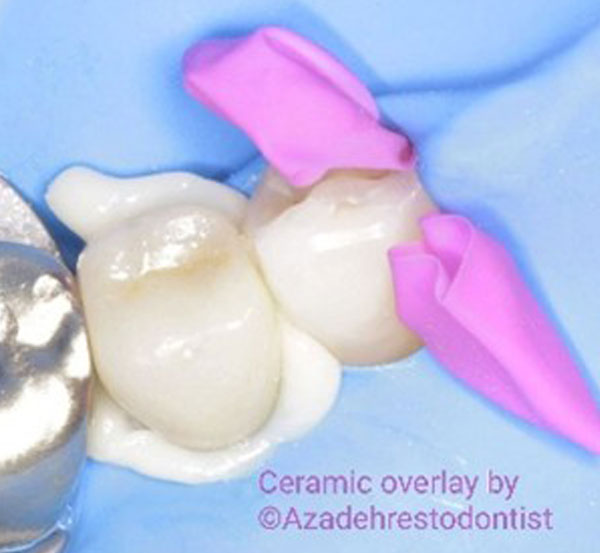
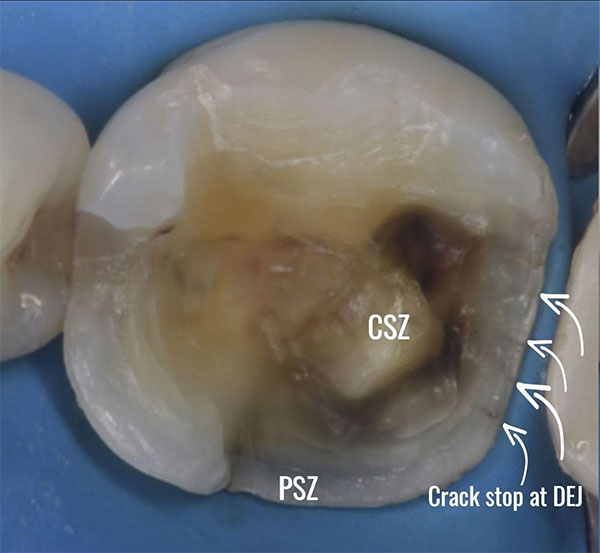
Traditional dental procedures rely on preparation designs that accommodate the chosen restorative material, prioritizing features like retention, resistance, and material strength over the conservation of natural tooth structure. Consequently, the restored tooth often undergoes extensive reduction, increasing the likelihood of complications such as pain, sensitivity, root canal therapy, recession, crack and fracture. Common examples include full-coverage crowns (zirconia, porcelain-fused-to-metal, and gold crowns), metallic inlays and amalgam fillings.
By contrast, the Biomimetic approach integrates an understanding of natural tooth biomechanics with adhesion-based techniques, actively preserving healthy tooth structure. Restorative materials emulate the properties of dental tissues, enabling the tooth to regain its natural strength, function, and esthetics without unnecessary removal. Biomimetic restorations include composite fillings, partial coverage restorations, and, when needed, full-coverage ceramic restorations. All the features of biomimetic approach making it a smarter, long-lasting choice for dental restorations.